When your little one turns 12 months, you’re already navigating a maze of milestones—rolling over, babbling, and that first attempt at standing. But what if you notice that your toddler isn’t following the body language cues you’re trying to teach? It’s a subtle but important area to watch. This article dives into the signs, why they matter, and how you can help your child bridge the gap with gentle, everyday strategies.
What Is Following Body Language in Toddlers?
The Developmental Milestones at 12 Months
By one year, most toddlers can point, wave, and imitate simple gestures. They’re beginning to understand that a nod means “yes” and a shake of the head means “no.” These nonverbal signals lay the groundwork for later language and social skills.
Typical vs. Deficient Behaviors
A typical 12‑month‑old will often mirror your facial expressions or reach for a toy you’re holding. A toddler with following body language deficits might ignore eye contact, hesitate to imitate a gesture, or fail to respond when you point. Recognizing the difference early can prevent a cascade of developmental delays.
Signs of Following Body Language Deficits in Toddlers 12 Months
Have you ever watched your child stare blankly while you beckon them to a toy? That could be a red flag. Look for these specific signs:
- Lack of eye contact when you’re trying to engage them Limited gesture use—they may not wave or clap on cue Difficulty mimicking simple actions like blowing a kiss Slow or absent response to pointing or showing
If you spot more than one of these behaviors, it’s worth paying closer attention.
Why It Matters: The Impact on Development
Following body language is the invisible scaffolding that supports social interaction and language learning. When toddlers can read and respond to nonverbal cues, they build trust with caregivers and peers. A deficit can lead to:
- Social isolation—they might miss out on group play Language delays—nonverbal communication often precedes verbal speech Emotional challenges—frustration from not being understood
In short, it’s a domino effect: a Occupational therapist small misstep can topple several developmental milestones.
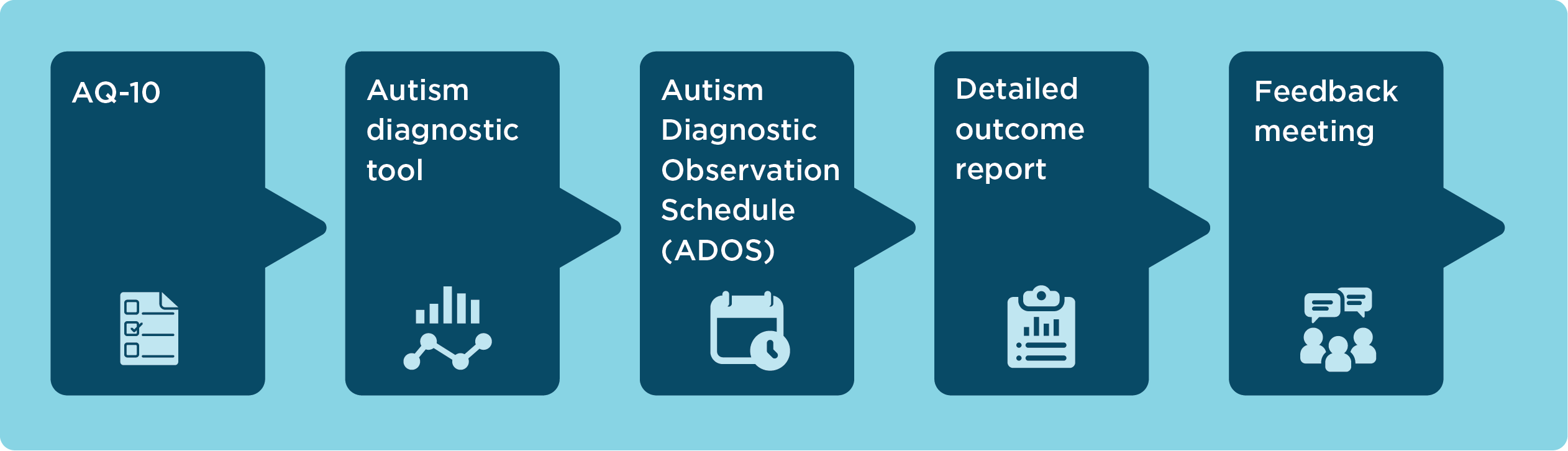
Assessing the Deficits: When to Seek Help
Not every odd behavior warrants a trip to the pediatrician, but early assessment can save a lot of headaches later.
Home Observations
Keep a simple log:
- When does your toddler ignore your gestures? How often do they respond to your pointing? Are they using facial expressions when you try to communicate?
Professional Evaluation
If you notice persistent gaps, a developmental pediatrician or speech‑language pathologist can run standardized tests. They’ll look for patterns that may indicate an underlying issue such as autism spectrum disorder or sensory processing challenges.

Strategies to Support Your Toddler
Even if you’re not a licensed therapist, you can create a nurturing environment that encourages following body language. Think of it as a “social skill boot camp”—minus the sweatpants.
Modeling and Imitation Games
- Show-and-tell: Hold a toy and say “look!” while pointing Mirror play: Stand side‑by‑side and mimic each other’s actions Storytime cues: Pause and gesture when you ask a question
Structured Play Sessions
- Turn‑taking games: Use a simple ball‑rolling activity to teach “your turn” signals Emotion cards: Match facial expressions with emotions and act them out
Sensory and Motor Activities
- Bubble blowing: Encourages eye‑hand coordination Dance‑and‑follow: Play music and lead them in simple movements Texture exploration: Use a variety of materials to stimulate tactile feedback, which can improve overall responsiveness
A Real‑Life Anecdote: Mrs. L’s 12‑Month‑Old
Mrs. L, a single mom in Ohio, noticed her son, Milo, didn’t respond when she waved or pointed. She started a “follow‑the‑leader” game, gently leading Milo around the living room while mimicking his movements. Over weeks, Milo began to mimic her, and the next day he waved back at her, giggling. Mrs. L’s patience and consistent modeling turned a silent room into a dialogue—proof that practice pays off.
Expert Insight: A Quote from Dr. Maya Patel
> “The best way to predict the future is to create it.” – Abraham Lincoln
> Dr. Patel emphasizes that Echolalia early intervention can shape a child’s developmental trajectory, especially in nonverbal communication.
Moving Forward with Confidence
You’re not alone on this journey. By staying observant, seeking guidance when needed, and weaving simple, playful activities into daily routines, you’re giving your toddler a solid foundation. Remember, every gesture you model is a brick in the bridge to their future communication skills. Keep the momentum going, and soon your child will be waving, pointing, and sharing smiles with confidence.